Gottfried Wilhelm (von) Leibniz (1646 – 1716): verschil tussen versies
Geen bewerkingssamenvatting |
Geen bewerkingssamenvatting |
||
| Regel 17: | Regel 17: | ||
:{{#tag:easyview|ypBcJDjEFMw|type=youtube|thumbnail= 2024 - The Last Universal Genius|head=[https://www.youtube.com/watch?v=ypBcJDjEFMw 2024 - The Last Universal Genius]|ref=Video afkomstig van [https://www.youtube.com/@F-M-K Few Minutes Knowledge]}} | :{{#tag:easyview|ypBcJDjEFMw|type=youtube|thumbnail= 2024 - The Last Universal Genius|head=[https://www.youtube.com/watch?v=ypBcJDjEFMw 2024 - The Last Universal Genius]|ref=Video afkomstig van [https://www.youtube.com/@F-M-K Few Minutes Knowledge]}} | ||
:2008 - Anthony Quinton on Baruch Spinoza and Leibniz {{sys:w:lang:en}} | :2008 - Anthony Quinton on Baruch Spinoza and Leibniz {{sys:w:lang:en}} | ||
::{{#tag:easyview|GmbGbo-oyKc|type=youtube|thumbnail={{ | ::{{#tag:easyview|GmbGbo-oyKc|type=youtube|thumbnail={{mdsr:icon}}media/video.png Section 1|head=[https://www.youtube.com/watch?v=GmbGbo-oyKc Anthony Quinton on Baruch Spinoza and Leibniz Section 1]|des=The ideas of rationalist philosophers Baruch Spinoza and Gottfried Leibniz are examined in this program by philosophy [[{{sys:w:en}}Anthony Quinton|Anthony Quinton]]. Spinoza favors a pantheistic God who has matter and mind as two attributes, and who is the ultimate substance and explanation of the world. Leibniz sees the real world as consisting of an infinity of things purely spiritual, where everything, including space, is a phenomenon—a by-product of areal world with an infinite array of spiritual centers. Both philosophers construct a world that is very different form what the average person perceives, and both reject [[{{sys:w:nl}}Dualisme_(filosofie_van_de_geest)|Cartesian duality]].|ref=Video afkomstig van [http://www.youtube.com/user/flame0430 flame0430]}} | ||
::{{#tag:easyview|MHaHCxsMy28|type=youtube|thumbnail={{ | ::{{#tag:easyview|MHaHCxsMy28|type=youtube|thumbnail={{mdsr:icon}}media/video.png Section 2|head=[https://www.youtube.com/watch?v=MHaHCxsMy28 Anthony Quinton on Baruch Spinoza and Leibniz Section 2]|des=The ideas of rationalist philosophers Baruch Spinoza and Gottfried Leibniz are examined in this program by philosophy [[{{sys:w:en}}Anthony Quinton|Anthony Quinton]]. Spinoza favors a pantheistic God who has matter and mind as two attributes, and who is the ultimate substance and explanation of the world. Leibniz sees the real world as consisting of an infinity of things purely spiritual, where everything, including space, is a phenomenon—a by-product of areal world with an infinite array of spiritual centers. Both philosophers construct a world that is very different form what the average person perceives, and both reject [[{{sys:w:nl}}Dualisme_(filosofie_van_de_geest)|Cartesian duality]].|ref=Video afkomstig van [http://www.youtube.com/user/flame0430 flame0430]}} | ||
::{{#tag:easyview|NB4FVwy5OI4|type=youtube|thumbnail={{ | ::{{#tag:easyview|NB4FVwy5OI4|type=youtube|thumbnail={{mdsr:icon}}media/video.png Section 3|head=[https://www.youtube.com/watch?v=NB4FVwy5OI4 Anthony Quinton on Baruch Spinoza and Leibniz Section 3]|des=The ideas of rationalist philosophers Baruch Spinoza and Gottfried Leibniz are examined in this program by philosophy [[{{sys:w:en}}Anthony Quinton|Anthony Quinton]]. Spinoza favors a pantheistic God who has matter and mind as two attributes, and who is the ultimate substance and explanation of the world. Leibniz sees the real world as consisting of an infinity of things purely spiritual, where everything, including space, is a phenomenon—a by-product of areal world with an infinite array of spiritual centers. Both philosophers construct a world that is very different form what the average person perceives, and both reject [[{{sys:w:nl}}Dualisme_(filosofie_van_de_geest)|Cartesian duality]].|ref=Video afkomstig van [http://www.youtube.com/user/flame0430 flame0430]}} | ||
::{{#tag:easyview|bB5JhqIpN24|type=youtube|thumbnail={{ | ::{{#tag:easyview|bB5JhqIpN24|type=youtube|thumbnail={{mdsr:icon}}media/video.png Section 4|head=[https://www.youtube.com/watch?v=bB5JhqIpN24 Anthony Quinton on Baruch Spinoza and Leibniz Section 4]|des=The ideas of rationalist philosophers Baruch Spinoza and Gottfried Leibniz are examined in this program by philosophy [[{{sys:w:en}}Anthony Quinton|Anthony Quinton]]. Spinoza favors a pantheistic God who has matter and mind as two attributes, and who is the ultimate substance and explanation of the world. Leibniz sees the real world as consisting of an infinity of things purely spiritual, where everything, including space, is a phenomenon—a by-product of areal world with an infinite array of spiritual centers. Both philosophers construct a world that is very different form what the average person perceives, and both reject [[{{sys:w:nl}}Dualisme_(filosofie_van_de_geest)|Cartesian duality]].|ref=Video afkomstig van [http://www.youtube.com/user/flame0430 flame0430]}} | ||
::{{#tag:easyview|dFqSGFE7Crc|type=youtube|thumbnail={{ | ::{{#tag:easyview|dFqSGFE7Crc|type=youtube|thumbnail={{mdsr:icon}}media/video.png Section 5|head=[https://www.youtube.com/watch?v=dFqSGFE7Crc Anthony Quinton on Baruch Spinoza and Leibniz Section 5]|des=The ideas of rationalist philosophers Baruch Spinoza and Gottfried Leibniz are examined in this program by philosophy [[{{sys:w:en}}Anthony Quinton|Anthony Quinton]]. Spinoza favors a pantheistic God who has matter and mind as two attributes, and who is the ultimate substance and explanation of the world. Leibniz sees the real world as consisting of an infinity of things purely spiritual, where everything, including space, is a phenomenon—a by-product of areal world with an infinite array of spiritual centers. Both philosophers construct a world that is very different form what the average person perceives, and both reject [[{{sys:w:nl}}Dualisme_(filosofie_van_de_geest)|Cartesian duality]].|ref=Video afkomstig van [http://www.youtube.com/user/flame0430 flame0430]}} | ||
|size=18 | |size=18 | ||
}} | }} | ||
Huidige versie van 26 dec 2025 13:51
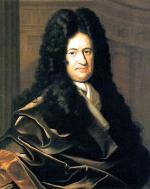
| Gottfried Wilhelm (von) Leibniz | |
 Afbeelding afkomstig van Wikipedia (Nederlands) Afbeelding afkomstig van Wikipedia (Nederlands)
| |
| Externe links | |
| Wikipedia (Nederlands) | |
| Geo | |
Terug naar Filosofie
 Section 1